

For years, we’ve dreamed of technology that feels invisible — something that blends into our daily life instead of taking it over. Phones got smaller, watches got smarter, and now, the next frontier is right in front of our eyes — literally.
AI-powered glasses are shaping up to be the next big thing in wearable tech, promising hands-free access to your digital world, real-time information, and even built-in cameras that see what you see. But how close are we really to the “future” they promise?
Let’s take a closer look 👇
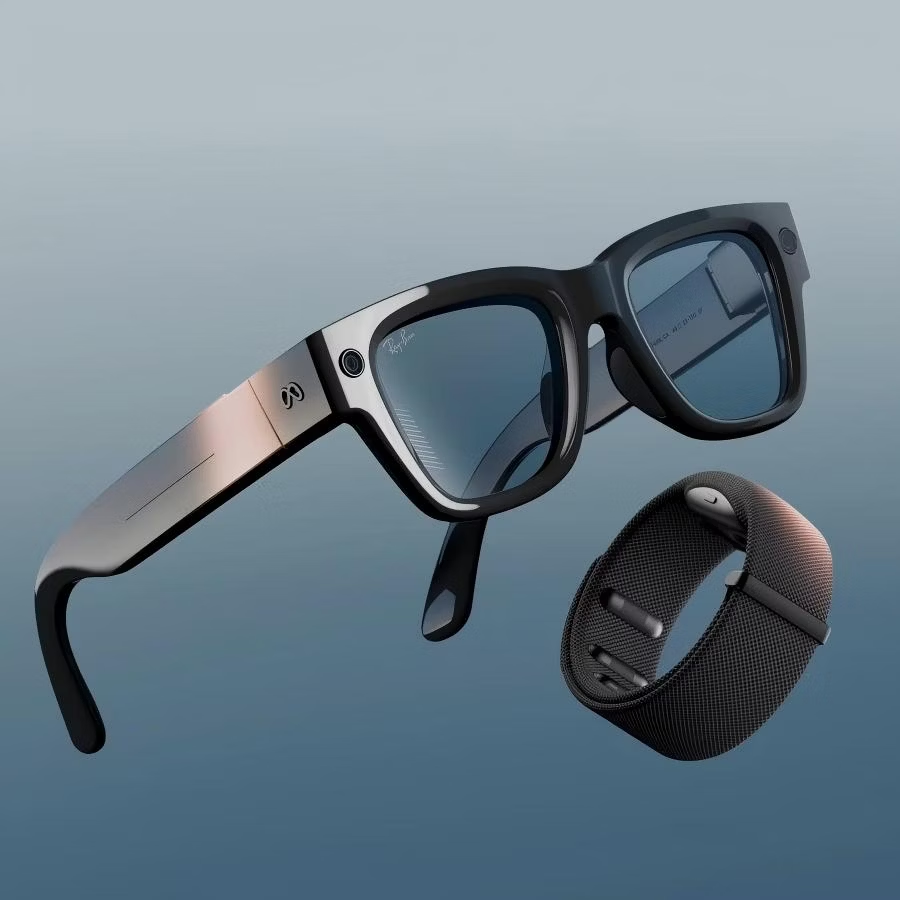
What Exactly Are AI Glasses?
AI glasses combine the familiar feel of eyewear with the power of artificial intelligence. Think of them as a hybrid between smart glasses and a personal assistant that lives right on your face.
They can:
- Take photos and videos with voice commands,
- Play music through tiny built-in speakers,
- Translate signs or conversations in real time,
- And even give you AI-powered summaries or answers — without touching your phone.
It’s like having ChatGPT and your smartphone quietly sitting on your nose.
The Ray-Ban Meta Gen 2 Example
When Meta (yep, Facebook’s parent company) teamed up with Ray-Ban, they didn’t just make another camera-glasses gimmick. The Ray-Ban Meta Glasses (Gen 2) are actually stylish enough to wear every day — and surprisingly capable.
With a 12MP ultra-wide camera and 3K video support, they let you capture life as it happens without reaching for your phone. The built-in open-ear speakers make it easy to take calls or listen to music, and Meta’s AI voice assistant adds a layer of smarts — you can literally ask your glasses questions like,
“Hey Meta, what building is this?”
and get an answer right in your ear.
It’s not flawless yet, but it’s a glimpse of where wearables are heading.
Why People Are Excited
- Hands-Free Everything – You don’t need to pull out your phone for quick actions. AI glasses let you stay in the moment while still connected.
- Style Meets Tech – Unlike older tech glasses (remember Google Glass?), brands like Ray-Ban are making them actually look… well, cool.
- Real-Time Help – Imagine traveling abroad and your glasses instantly translate the street signs or menu in front of you.
- Always-On Camera – Perfect for creators who want to capture first-person videos or vlog on the go.
But Let’s Be Real — There Are Limits
AI glasses are still early in the game. Battery life isn’t infinite, and privacy concerns are real (not everyone loves being recorded by someone’s shades).
The sound quality on open-ear speakers is decent, but you’ll still hear background noise.
And as smart as the “AI” feels, it’s not quite like talking to Jarvis from Iron Man yet — more like a beta version of what that could be.
The Bigger Picture
Even with these flaws, AI glasses represent a shift. We’re moving from looking down at screens to looking through them.
They blend technology into your natural view, giving you info and entertainment without breaking your attention from the real world.
Apple, Meta, and other tech giants are betting big on this space — and once AI gets faster, smaller, and more contextual, these glasses could become as common as wireless earbuds.
Should You Try Them Now?
If you love tech and don’t mind early adoption, yes — the experience feels futuristic and surprisingly fun. The Ray-Ban Meta Gen 2 is currently the most polished option, combining fashion, function, and AI better than anything else out there.
If you’d rather wait, that’s okay too. The next couple of years will bring better AI integration, smaller chips, and longer-lasting batteries.
But one thing’s for sure — AI glasses are no longer science fiction.
They’re here, and they’re learning fast.
Final Thought:
Someday soon, we might not reach for our phones to ask questions or capture a moment — we’ll just look at it and say, “Hey, help me out.”
And the world will quietly answer back.