

What do we mean by “AI & Emerging Tech”?
At its core, AI refers to systems that simulate aspects of human intelligence: learning from data, making decisions, recognizing patterns and adapting over time. Meanwhile, “emerging technologies” are the newer or rapidly evolving fields that are rising alongside or enabled by AI: think Internet of Things (IoT), edge computing, 5G/6G networks, blockchain, augmented reality/virtual reality (AR/VR), robotics and more.
For example: the integration of AI with IoT, blockchain and other technologies is creating new business models and services. eudoxuspress.com+1
Research into “AI & ML and social good” even highlights how these systems can address education, health and broader welfare. ijecs.in
Key Areas of Impact
1. Smarter Interfaces & Conversation

NLP (Natural Language Processing) and conversational AI are empowering machines to understand and respond in human-language form. Virtual assistants, chatbots, smarter customer-service bots — all increasingly realistic and context-aware.
These tools are moving from simple command response to deeper understanding, making them staples for enterprises, healthcare, personal assistants and more.
2. AI in Industry & Innovation

AI is transforming how industries operate. From manufacturing (smart factories, predictive maintenance) to healthcare (image diagnostic tools, personalized medicine) to transportation (autonomous vehicles).
Evidence shows AI significantly accelerates technological innovation in firms. For example, a study on Chinese firms found that AI use correlated with higher innovation output. MDPI
3. Business Model & Service Innovation

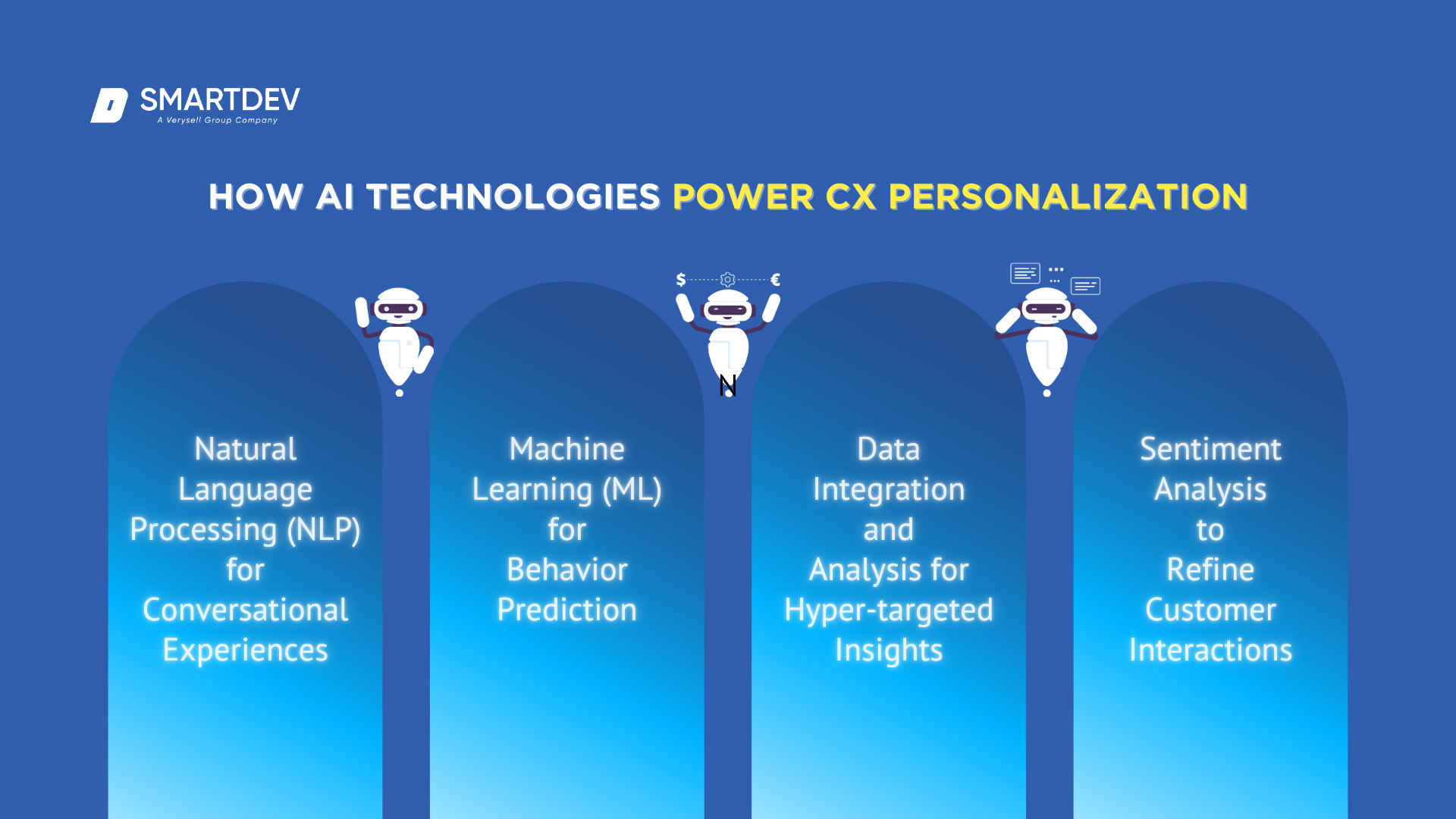
By combining AI with emerging tech, companies are creating entirely new services: real-time personalization, intelligent automation, data-driven decision-making.
A recent publication highlights how technologies like AI, IoT and blockchain together enable fresh value propositions. eudoxuspress.com
Governments too are using these tools to rethink how they deliver services and engage citizens. Deloitte Brazil
4. Ethical, Social & Governance Dimensions

With great power comes great responsibility. As AI/tech become more embedded, issues like bias, transparency, governance, and privacy become paramount.
The UNESCO-linked report states: “we are dealing with a potentially very unsafe technology unlike any other seen in the history of humankind.” iite.unesco.org
Ensuring AI systems are fair, explainable and aligned with human values is a major challenge.
Why It Matters Now
- The world is moving at breakneck speed in AI development.
- For individuals and companies, staying ahead means embracing AI and emerging tech, not just reacting.
- For societies, there’s the opportunity for huge gains (better health, smarter cities) but also risks (job disruption, data harms).
What to Watch & Explore
Here are some trends and directions worth keeping an eye on:
- Generative AI: systems that create text, images, audio or video (and increasingly multi-modal).
- Edge AI: moving AI processing closer to the device (not just the cloud) for speed, privacy, and autonomy.
- AI + Connectivity (5G/6G/IoT): enabling real-time AI in devices, environments and infrastructures.
- Explainable AI (XAI): making “why did it decide that?” part of AI’s design.
- Human-AI Collaboration: where AI augments human skills rather than replaces them.
- Responsible Tech: frameworks, regulation and design that align tech with societal values.
Take-away for Tech Enthusiasts
- Whether you’re a developer, startup founder, enterprise leader or just tech-curious:
- Learn the foundations: machine learning, data science, cloud/edge architecture.
- Connect with the ecosystem: AI doesn’t live alone — it works with sensors, networks, data platforms, devices.
- Think impactfully: ask “What problem am I solving?” and “Is this ethical/responsible?”
- Stay adaptive: the tech will evolve rapidly. Staying static means falling behind.
Final Thoughts
In short: AI & emerging technologies are not just hype. They are the infrastructure of tomorrow’s world. From how we work, learn, receive healthcare, live in cities — they matter deeply. But with that comes a responsibility: to design, deploy and govern them wisely.